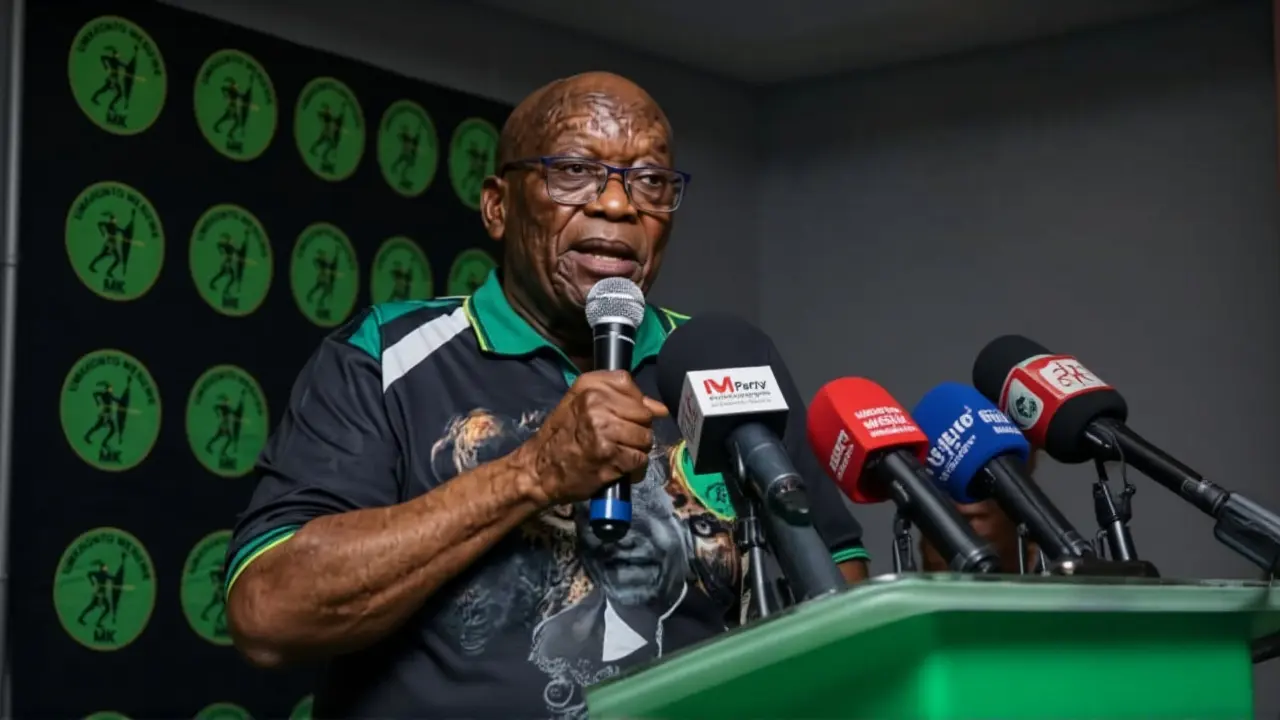
When Jacob Zuma, former President of South Africa, unveiled the new leadership team for his political outfit yesterday, it didn't just shake up party politics—it sent ripples through the entire national landscape. The announcement came from uMkhonto weSizwe Party (MK Party) headquarters in Nelspruit, signaling a decisive move to consolidate power ahead of critical provincial elections.
Here's the thing: while Zuma’s supporters hailed this as a necessary step toward stability, critics argue it deepens the very uncertainty the party claims to be solving. The details are still emerging, but one fact is clear—this isn't just about internal hierarchy. It’s about who controls the narrative in post-apartheid South Africa.
The New Guard Takes Shape
Zuma’s latest roster includes several familiar faces alongside unexpected appointments. Among them is Mandla Ndlovu, appointed as Deputy Leader, a veteran strategist known for his grassroots mobilization skills. Then there’s Lindiwe Mabuza, named Head of Communications, whose sharp tongue has long been a double-edged sword in media circles.
But wait—the twist is that some key positions remain vacant. Notably, the role of Provincial Coordinator for Gauteng was left open, sparking speculation about infighting within the party ranks. "It’s odd enough," said political analyst Thabo Mbeki Jr., "that they’d leave such a crucial seat empty right before election season."
Who Are These People?
- Mandla Ndlovu: Former ANC whip turned MK loyalist; brings decades of parliamentary experience.
- Lindiwe Mabuza: Known for fiery speeches and controversial social media posts; expected to drive digital outreach.
- Sipho Dlamini: Appointed Treasurer General; previously served under Zuma during his presidency.
Why This Matters Now
The timing couldn’t be worse—or better, depending on your perspective. With only six months until the next municipal by-elections, every move counts. According to recent polling data from Stats SA, the MK Party currently holds 8% support nationwide, up from 5% last year. That might not sound like much, but in close constituencies, those percentages can decide outcomes.
Turns out, the opposition isn’t sitting idle either. The African National Congress (ANC), traditionally dominant in KwaZulu-Natal, has already begun counter-mobilizing efforts. Meanwhile, the Democratic Alliance (DA) sees an opportunity to capitalize on voter disillusionment with both major parties.
Reactions From All Sides
"This is exactly what we feared," said Gwede Mantashe, former ANC Secretary-General, in a statement released Monday morning. "By centralizing power around one individual, Zuma undermines democratic principles within his own organization."
On the flip side, MK Party spokesperson Vuyo Kolbe defended the decision: "We needed clarity now more than ever. Our members deserve leaders who understand their struggles firsthand—not bureaucrats detached from reality."
Interestingly, even some independent observers admit there’s logic behind the chaos. Dr. Nomsa Khumalo, a professor of political science at the University of Witwatersrand, noted: "In fragmented systems, strongman tactics often emerge as a response to perceived weakness elsewhere. Whether sustainable remains to be seen."
Broader Implications For South Africa
If history teaches us anything, it’s that shifts in regional power dynamics rarely stay contained. Consider how the rise of the Economic Freedom Fighters (EFF) reshaped coalition-building strategies across multiple provinces over the past decade. Could the MK Party follow a similar trajectory?
Experts warn that if Zuma succeeds in cementing control, smaller parties may struggle to gain traction. Conversely, failure could fracture the movement entirely, leaving voters without viable alternatives beyond the traditional duopoly.
What Comes Next?
All eyes turn now to March 15th, when the Independent Electoral Commission (IEC) will release updated candidate lists for upcoming local government races. Until then, expect heightened rhetoric, increased campaign spending, and possibly legal challenges from rival factions questioning the legitimacy of certain appointments.
One thing’s certain: whether you love him or loathe him, Jacob Zuma continues to dominate headlines—and shape destinies—in ways few others can match.
Background Deep Dive
To fully grasp why this matters, let’s rewind slightly. Founded in August 2021 following Zuma’s expulsion from the ANC, the MK Party quickly amassed significant backing among rural communities and working-class urbanites disillusioned with corruption scandals plaguing older institutions.
Its name pays homage to Umkhonto we Sizwe (“Spear of the Nation”), the armed wing of the ANC during apartheid—a nod meant to evoke revolutionary fervor. Yet despite its ideological roots, the party has struggled with organizational coherence since inception.
Previous attempts to establish formal structures ended in acrimony, including public feuds between senior officials and allegations of financial mismanagement. Each setback weakened trust among potential allies while emboldening detractors eager to declare premature victory.
Frequently Asked Questions
How does this affect ordinary citizens?
For everyday voters, especially in marginalized areas, these developments mean renewed hope—or renewed frustration—if promises go unfulfilled again. Local issues like water access, job creation, and education funding become tied directly to which party gains influence after elections.
What led to this sudden announcement?
Rumors suggest internal pressure mounted after leaked documents hinted at dissent within upper echelons. Rather than risk further leaks, Zuma opted for preemptive action, aiming to present unity externally regardless of private disagreements.
Who else gets affected besides politicians?
Businesses operating near contested regions face uncertainty regarding policy directions post-election. Investors monitor closely because changes in governance models impact everything from tax regulations to infrastructure development plans.
Are experts optimistic about future stability?
Mixed feelings prevail. Some believe centralized authority ensures faster decision-making processes beneficial for urgent reforms. Others caution against concentrating too much power indefinitely, citing historical precedents where authoritarian tendencies eroded civic freedoms gradually.