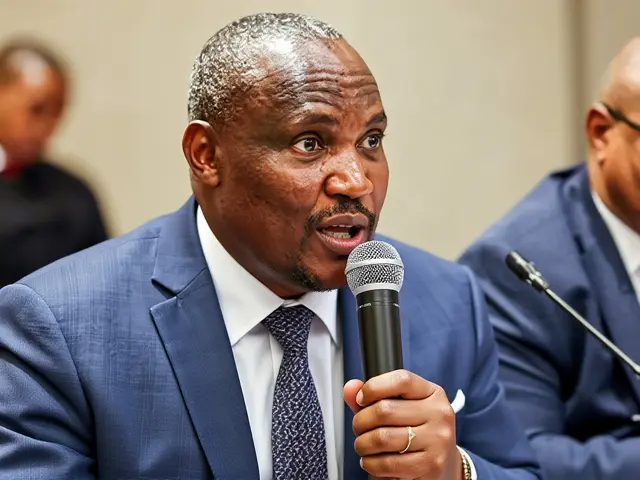
It’s a headline that has the entire African energy sector paying attention. Heineken Lokpobiri, Minister of State for Petroleum Resources (Oil) of the Federal Government of Nigeria, dropped some big numbers on Tuesday. The country just approved 28 new Field Development Plans worth a staggering $18.2 billion. This isn’t just paper talk; it represents an estimated reserve potential of 1.4 billion barrels of oil and 5.4 trillion cubic feet of gas.
The announcement came during the official opening of the 2026 Nigeria International Energy SummitAbuja, hosted by President Bola Tinubu at the Presidential Banquet Hall in Aso Villa. For a nation that has struggled to maintain its production momentum over the last decade, this is a significant turning point. It signals that capital is flowing back into Nigerian upstream activities with renewed confidence.
A Surge in Production Capacity
Here’s the thing about these figures: they translate directly into tangible output. The newly approved plans are expected to add approximately 591,000 barrels of oil per day to Nigeria’s current capacity. On the gas front, we’re looking at an additional 2.1 billion standard cubic feet per day (BSCFD).
Why does this matter? Because it pushes Nigeria significantly closer to its ambitious target of producing over three million barrels of crude oil daily. That’s a number that hasn’t been consistently hit since the early 2000s. The rig count tells a similar story of revival. In 2021, the industry was running on fumes with just eight operational rigs. By September 2025, that number had skyrocketed to 43. It’s a clear indicator that the drilling machinery is finally humming again.
The Policy Engine Behind the Boom
You don’t get $18.2 billion in commitments without a solid foundation. Engr. Gbenga Komolafe, Chief Executive of the Nigerian Upstream Petroleum Regulatory Commission (NUPRC), made this clear while speaking at Africa Oil Week in Accra, Ghana. He attributed this surge to the competitive reform agenda driven by President Tinubu’s vision.
The catalyst? The Petroleum Industry Act (PIA) of 2021. Since its implementation, the PIA has reshaped the governance landscape, offering fiscal clarity and institutional realignment. Investors hate uncertainty, and the PIA provided the rulebook they needed. As Lokpobiri noted, this breakthrough wasn’t accidental. It resulted from "steady work, policy clarity, and better governance." He emphasized that Nigeria now allows for the free movement of capital, a critical factor for international energy majors.
Africa’s Leading Investment Destination
Turns out, Nigeria is beating its continental neighbors in the race for big money. Between 2024 and 2025, four out of seven major Final Investment Decisions (FIDs) announced across Africa were taken in Nigeria. That statistic alone establishes the country as the leading destination for oil and gas investments on the continent.
This shift in sentiment is palpable. During the summit, stakeholders agreed that the sector is on a strong recovery path. But there’s a catch. The consensus is that sustained collaboration between the Federal Government, indigenous companies, and international partners is essential. Without this tripartite cooperation, consolidating growth and expanding domestic energy access will remain a challenge. The goal isn’t just export revenue; it’s positioning Nigeria as a regional and global energy hub.
What’s Next for the Sector?
The 28 field development plans cover a diverse portfolio across Nigeria’s various oil and gas basins. Industry observers note that these developments underscore the sector’s growing attractiveness. However, the real test lies in execution. Moving from signed agreements to actual barrels in the ground requires logistical precision and continued regulatory support.
If the current trajectory holds, Nigeria could see a substantial boost in economic growth and energy security in the coming years. The revitalization under the current administration’s policies suggests that the worst may be behind us. But for the average Nigerian, the question remains: how quickly will this upstream success translate to cheaper fuel and more reliable power downstream? That’s the next chapter in this evolving story.
Frequently Asked Questions
How much investment was approved in Nigeria's oil sector in 2025?
The Nigerian Federal Government approved 28 new Field Development Plans valued at $18.2 billion in 2025. These plans include an estimated reserve potential of 1.4 billion barrels of oil and 5.4 trillion cubic feet of gas, marking a significant influx of capital into the sector.
What impact will these new plans have on daily oil production?
The approved projects are projected to add approximately 591,000 barrels of oil per day and 2.1 billion standard cubic feet of gas per day to Nigeria’s production capacity. This increase supports the national goal of reaching over three million barrels of crude oil production daily.
Why is Nigeria considered Africa's leading oil investment destination right now?
Between 2024 and 2025, Nigeria secured four of the seven major Final Investment Decisions announced across Africa. This dominance is largely attributed to the implementation of the Petroleum Industry Act (PIA) 2021, which improved governance, fiscal clarity, and investor confidence.
How has the rig count in Nigeria changed recently?
The rig count has seen a dramatic revival, increasing from just eight operational rigs in 2021 to 43 rigs by September 2025. This surge indicates a substantial acceleration in upstream activities and drilling operations within the country.
Who announced the approval of the 28 field development plans?
Sen. Heineken Lokpobiri, Minister of State for Petroleum Resources (Oil), announced the approvals during the opening of the 2026 Nigeria International Energy Summit in Abuja. The event was hosted by President Bola Tinubu.