Mombasa: Kenya's Coastal Hub of Culture, Trade, and News
When you think of Mombasa, a historic port city on Kenya’s Indian Ocean coast and a major economic gateway for East Africa. Also known as the Swahili Coast’s crown jewel, it’s where ancient trade routes meet today’s shipping lanes, and where Swahili culture thrives in every street, market, and seaside breeze. This isn’t just another Kenyan city—it’s the country’s second-largest urban center and the only major port handling most of East Africa’s imports and exports. From the narrow alleys of Old Town to the modern marinas of Diani, Mombasa pulses with energy shaped by centuries of Arab, Portuguese, British, and African influence.
What happens in Mombasa doesn’t stay in Mombasa. Its port drives Kenya’s economy, and when customs delays hit or new security policies roll out, the ripple effects reach Nairobi, Kampala, and beyond. Political moves here—like when President Ruto met with local leaders to ease tensions after the Baringo by-election fallout—echo in national news. The city’s youth, many of them drawn to the coastal lifestyle but facing high unemployment, often appear in stories about police recruitment drives or social grant scams targeting coastal communities. Even when news breaks about arrests at Lagos Airport or pardons in Abuja, Mombasa’s role as a regional crossroads means stories from Nigeria, Tanzania, or even Qatar often find their way into local conversations.
And then there’s the culture. Swahili isn’t just a language here—it’s the rhythm of daily life. You hear it in the chants at Friday prayers, in the songs at beachside bars, and in the way vendors call out prices at the Mwembe Tayari Market. The city’s identity is tied to the ocean: fishing boats still leave at dawn, and seafood markets buzz before sunrise. But Mombasa isn’t stuck in the past. It’s where tech startups are testing mobile payment systems for fishermen, where new infrastructure projects are trying to ease traffic jams, and where young people are pushing back against corruption with social media campaigns. The news you’ll find here isn’t just about politics or crime—it’s about how a coastal city adapts, survives, and leads in a changing Africa.
Below, you’ll find real stories from and about Mombasa—the arrests, the policy shifts, the cultural moments, and the quiet resilience of its people. No fluff. No filler. Just what’s happening where the Indian Ocean meets the African mainland.
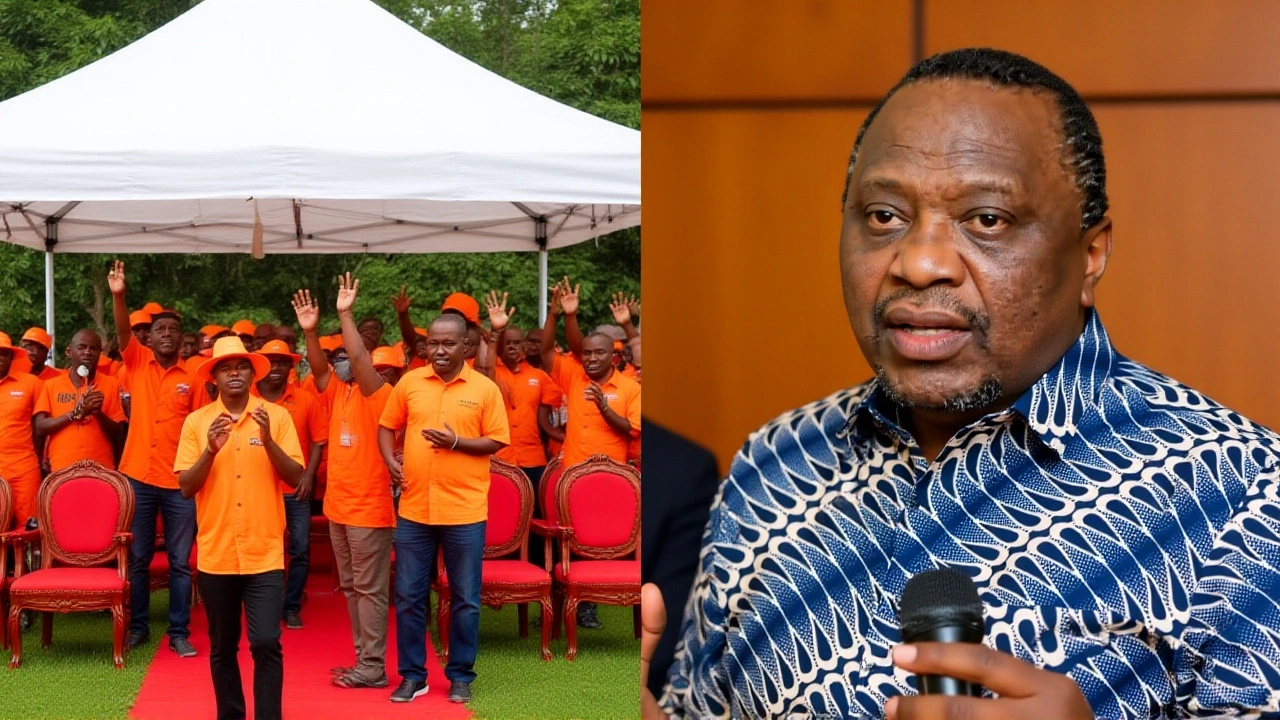
Uhuru Urges ODM to Carry Forward Raila’s Fight for Democracy After Death
Former President Uhuru Kenyatta urged ODM to uphold Raila Odinga’s legacy of democracy and inclusion after his death, as the party gathers in Mombasa to mark 20 years without its iconic leader.