Constable Hiring: What You Need to Know About Police Recruitment in Africa
When you hear constable hiring, the process of recruiting entry-level police officers in African nations. Also known as police recruitment, it’s how countries like Nigeria, South Africa, and Kenya fill the front lines of law enforcement. This isn’t just about filling forms—it’s about building trust, handling community safety, and responding to rising crime rates. Every year, thousands apply, but only a fraction make it through the physical, written, and background checks. And it’s not the same everywhere. In South Africa, constable hiring is tightly linked to SASSA’s social grant timelines because many applicants rely on those payments while waiting for results. In Nigeria, political connections sometimes influence who gets selected, as seen in high-profile arrests tied to power struggles.
African police forces, the official law enforcement agencies operating in each country. Also known as national police services, they vary wildly in structure, funding, and public perception. The South African Police Service (SAPS) runs structured intake cycles with clear deadlines, while in Kenya, recruitment often spikes before elections—like when President Ruto reached out to KANU for political alignment. In Nigeria, the force has faced scrutiny after incidents like the violent arrest of Regina Daniels’ brother, raising questions about training and accountability. These aren’t just administrative processes—they’re tied to justice reform, public safety, and even national stability.
What you won’t find in official brochures? The real stories behind who gets hired and why. Some applicants wait months without hearing back. Others get rejected over minor paperwork errors. A few get in through networks, not merit. And then there’s the training: basic weapons handling, community policing tactics, and how to deal with protests—skills that aren’t always taught well. Recent cases, like the arrest of IVD at Lagos Airport, show how quickly things can go wrong when officers aren’t properly prepared. Constable hiring isn’t just about who applies—it’s about who gets supported, who gets vetted fairly, and who ends up wearing the uniform.
If you’re thinking of applying, or just want to understand how your local police force is built, what follows is a collection of real stories from across the continent. You’ll see how political moves, social media rumors, and legal battles all connect to the people on the ground—those trying to become constables, stay in the job, or hold the system accountable. These aren’t abstract policies. They’re lives changing, families waiting, and communities watching.
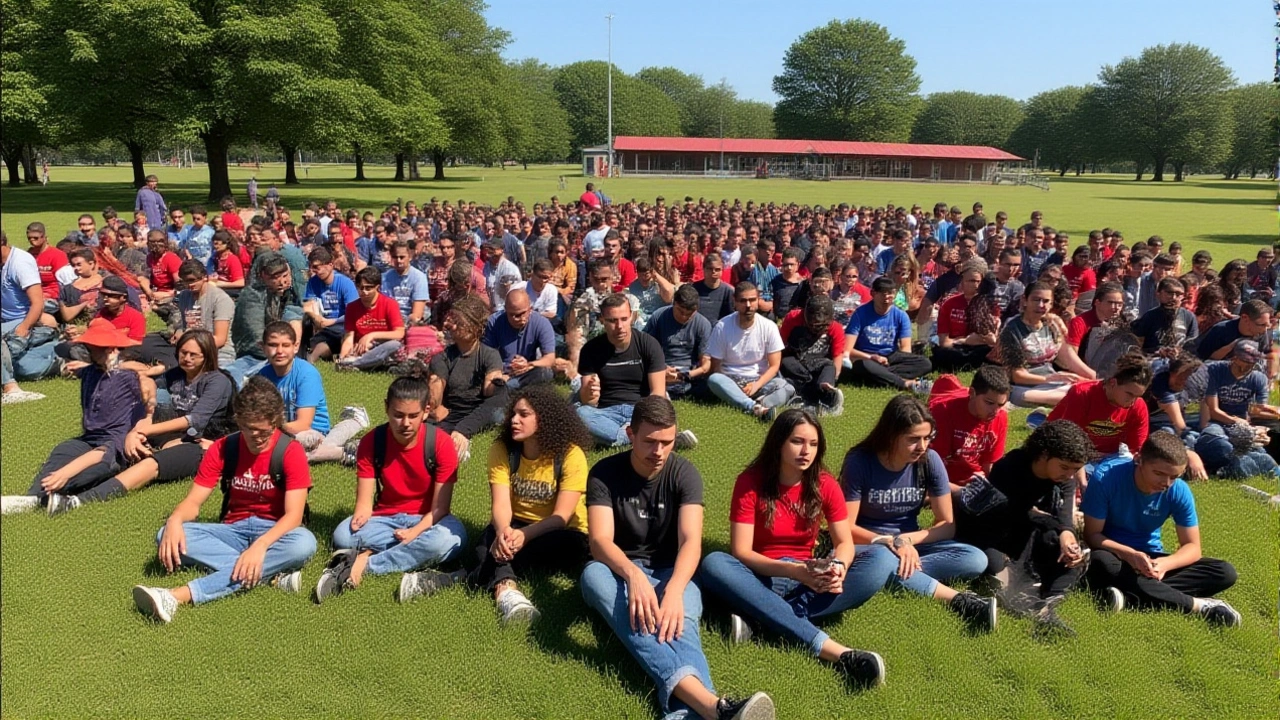
Kenya Police Recruit 10,000 Constables on November 17 After October Schedule Cancellation
Kenya's National Police Service moved recruitment for 10,000 constables to November 17, 2025, after scrapping an October schedule. Eligible applicants must be 18–28 with a KCSE D+ in English or Kiswahili.