Portuguese football: Stars, clubs, and the global impact of Portugal's game
When you think of Portuguese football, a footballing culture that punches far above its weight on the global stage. Also known as futebol português, it’s not just about one player—it’s about a system, a history, and a passion that turns small clubs into global names. Portugal’s population is under 10 million, yet its clubs regularly compete in Europe’s top tournaments and its national team has lifted major trophies. This isn’t luck. It’s a well-oiled machine built on youth academies, tactical discipline, and an obsession with developing talent from the ground up.
At the heart of it all are the Big Three, the dominant clubs that shape Portuguese football’s identity. Also known as os três grandes, these are Benfica, FC Porto, and Sporting CP. Each has won multiple European titles, produced generations of stars, and built rivalries so intense they define weekends in Lisbon and Oporto. Benfica’s Estádio da Luz, FC Porto’s Dragão, and Sporting’s José Alvalade aren’t just stadiums—they’re temples of football culture. These clubs don’t just sell players; they sell a pathway. Young talents from Angola, Mozambique, and Cape Verde often start here before moving to Madrid, Manchester, or Milan.
And then there’s Cristiano Ronaldo, the most famous product of Portuguese football and its most visible ambassador. Also known as CR7, he didn’t just rise from Sporting’s academy—he redefined what a footballer could become. His records, his work ethic, his global brand—everything traces back to the training grounds of Lisbon. But Ronaldo isn’t the whole story. Portugal’s success comes from depth: the midfield genius of Deco, the defensive grit of Pepe, the creativity of Bernardo Silva. Even now, new names like João Félix and Rafael Leão are stepping up, proving the system still works. The Portuguese national team’s 2016 Euro win and 2019 Nations League title weren’t flukes. They were the result of decades of investment in coaching, scouting, and youth development. You won’t find many big budgets in Portugal, but you’ll find smart ones. Clubs invest in analytics, sports science, and mental training. They know that a 16-year-old with raw talent needs more than just a contract—they need structure, support, and a clear path.
What you’ll find below is a collection of stories that show how Portuguese football touches the world. From signings in England to youth stars emerging from Lisbon academies, these articles capture the ripple effect of a small country’s big game. Whether it’s a young keeper moving from Portugal to Tottenham or a former academy product making headlines in MLS, the thread is the same: Portuguese football doesn’t just play the game—it sets the pace.
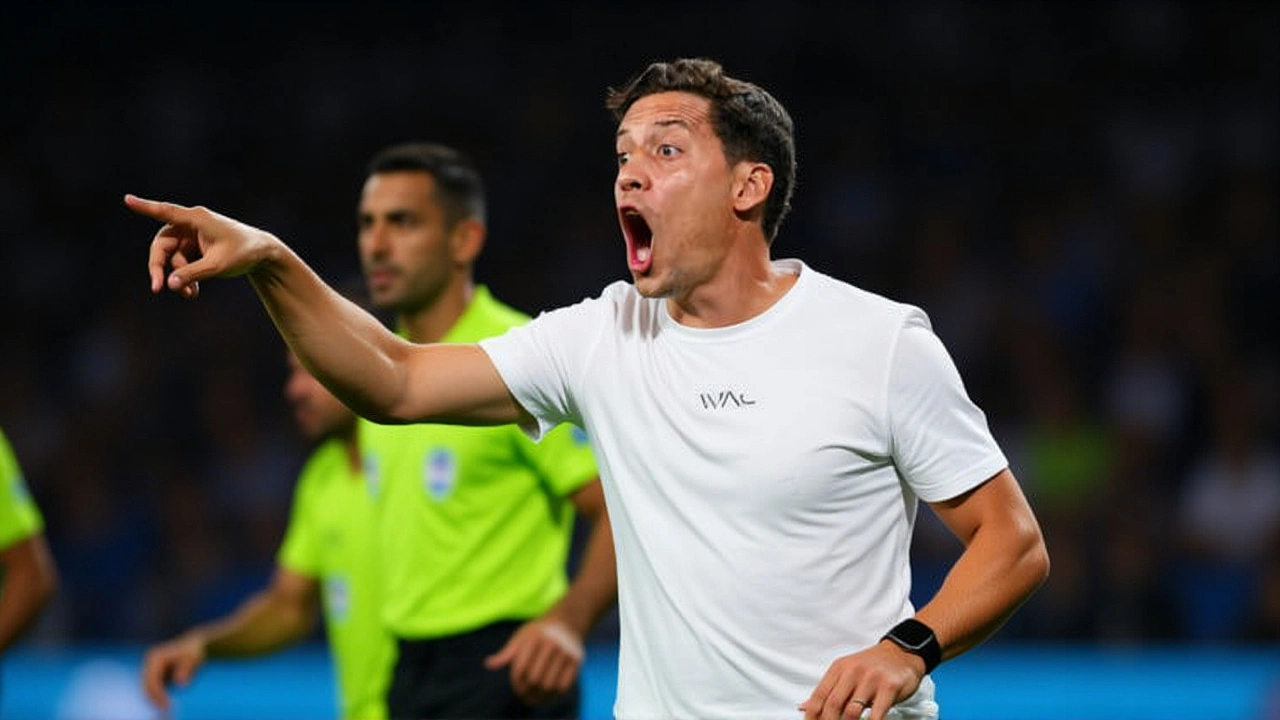
Vitória SC faces Porto in Taca da Liga quarterfinal as coach Pinto acknowledges Porto's dominance
Vitória SC coach Luís Pinto acknowledges FC Porto as 'a real force' ahead of their Taca da Liga quarterfinal, citing Estoril's recent performance as a lesson in resilience — but knows his team must overcome three straight losses to Porto.