Police Recruitment: What It Takes to Join the Force in Africa
When you think of police recruitment, the process by which law enforcement agencies select and hire new officers to serve their communities. Also known as police hiring, it’s not just about filling slots—it’s about shaping who holds power on the streets. In Africa, this process isn’t the same from one country to the next. Some nations run open, transparent exams. Others face accusations of favoritism, political interference, or corruption. And in places like Nigeria, where Regina Daniels accused a senator of using police to arrest her brother, the line between law enforcement and personal vendettas gets dangerously thin.
law enforcement, the system responsible for maintaining public order and enforcing laws. Also known as criminal justice system, it’s only as strong as the people who join it. Recruitment is the first step. If you hire based on connections instead of competence, you get officers who answer to the wrong people. That’s what happened in Lagos when IVD was arrested at the airport—not for a crime he committed, but because his past was tied to a high-profile domestic violence case. The police didn’t just show up by accident; they were part of a larger pattern. In South Africa, where Minister Nathi Mthethwa calls xenophobia a barrier to nation-building, police recruitment must also reflect the country’s diversity. Can you protect communities if your force doesn’t understand them?
police training, the structured program that prepares recruits for real-world duties, from crowd control to human rights. Also known as police academy, it’s where ideals meet reality. Many African countries have training centers, but quality varies. Some focus on crowd control and weapons. Few teach de-escalation or how to handle mental health crises. That gap shows up in headlines—arrests that turn violent, protests that get crushed, and citizens who lose trust. When SASSA grant recipients in South Africa face harassment at banks, it’s often police who show up. Are they trained to help—or to intimidate?
What you’ll find in these stories isn’t just about who got hired. It’s about who gets to decide. It’s about power. In Nigeria, a senator’s influence over police actions isn’t an outlier—it’s a warning. In Kenya, political alliances shape who gets promoted. In South Africa, the same force that enforces grant rules also deals with xenophobic violence. Police recruitment isn’t a paperwork exercise. It’s a political act. And when it’s broken, the whole system suffers.
Below, you’ll see how these dynamics play out in real cases—from arrests tied to celebrity feuds to the quiet ways institutions either fix or fail their own people. These aren’t random stories. They’re snapshots of a system under pressure. And if you want to understand Africa’s future, you start by asking: who’s holding the badge?
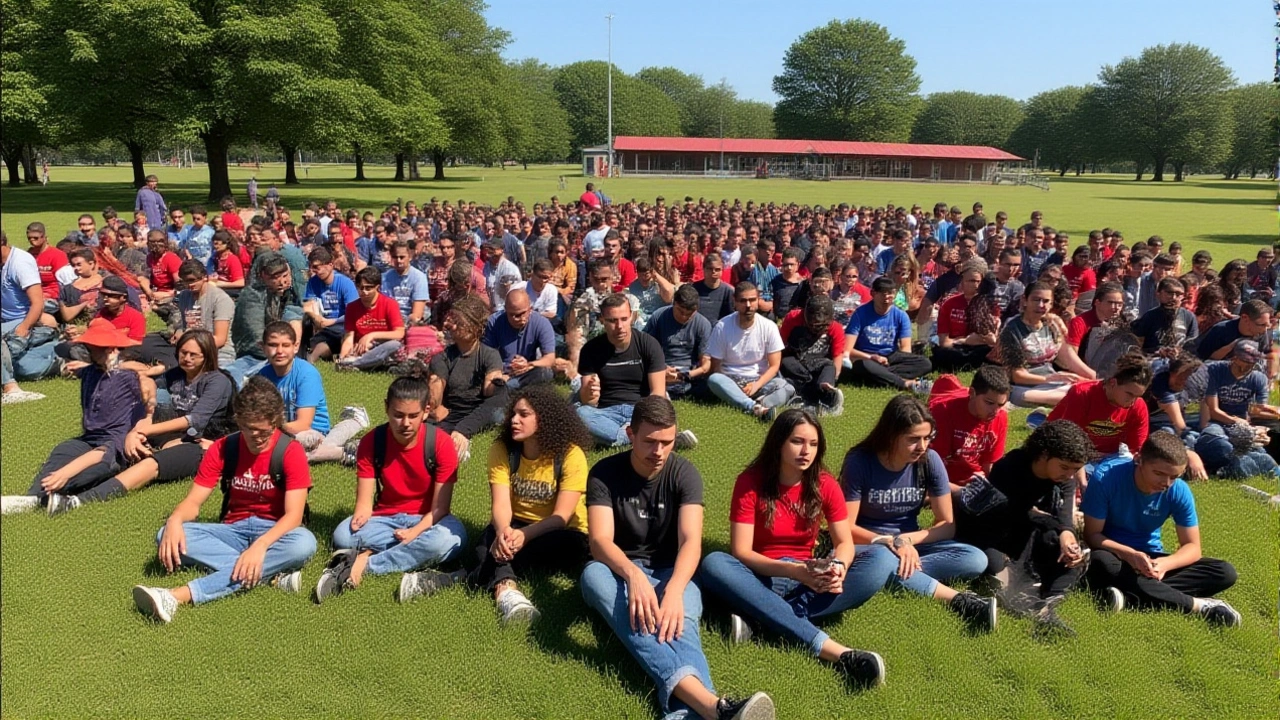
Kenya Police Recruit 10,000 Constables on November 17 After October Schedule Cancellation
Kenya's National Police Service moved recruitment for 10,000 constables to November 17, 2025, after scrapping an October schedule. Eligible applicants must be 18–28 with a KCSE D+ in English or Kiswahili.