FIFA World Cup 2026: Everything You Need to Know About the Next Global Football Event
When the FIFA World Cup 2026, the premier international soccer tournament organized by FIFA, held every four years and featuring national teams from around the world. Also known as the World Cup, it’s the most-watched sporting event on the planet, drawing over 5 billion viewers across its matches. This isn’t just another tournament—it’s the first 48-team edition, expanding from the traditional 32. It’s also the first time three countries—United States, Canada, and Mexico—are co-hosting, splitting 60 matches across 16 cities from New York to Mexico City. For African fans, this is more than just soccer. It’s a chance to see African teams compete on a bigger stage than ever before.
African nations have always punched above their weight in this tournament. Senegal’s run in 2002, Morocco’s historic semifinal in 2022, and Cameroon’s fiery performances over the decades show how deeply the continent connects with the game. The FIFA World Cup 2026, the premier international soccer tournament organized by FIFA, held every four years and featuring national teams from around the world. Also known as the World Cup, it’s the most-watched sporting event on the planet, drawing over 5 billion viewers across its matches. will have 9 direct slots for African teams, up from 5 in 2022. That means more chances for Nigeria, Ghana, Egypt, and even smaller nations like Tanzania or Mozambique to qualify. And with matches scheduled in cities like Toronto and Los Angeles, African diaspora communities will have easier access to live games than ever.
Behind the scenes, this tournament is changing how football is played. The extra 16 teams mean more underdog stories, more upsets, and more pressure on traditional powers. The use of video assistant referees (VAR) will be even more refined, and new technologies like semi-automated offside detection will be in full swing. For African clubs and players, this is a pipeline to global exposure. A standout performance in 2026 can mean a move to the Premier League, La Liga, or Serie A. Players like Victor Osimhen or Mohamed Salah have already shown what’s possible. Now, the next generation is watching, training, dreaming.
And it’s not just about the pitch. The economic impact hits hard. Host cities invest billions in infrastructure, and African broadcasters will be scrambling for rights. African sponsors, from MTN to Safaricom, are already lining up to be part of it. This isn’t just a football event—it’s a global moment where Africa’s voice, talent, and passion are on display for the world to see.
Below, you’ll find real stories from across the continent that tie into this moment—the players pushing for selection, the fans organizing watch parties, the youth leagues using the World Cup as inspiration. These aren’t just headlines. They’re the heartbeat of what makes this tournament matter.
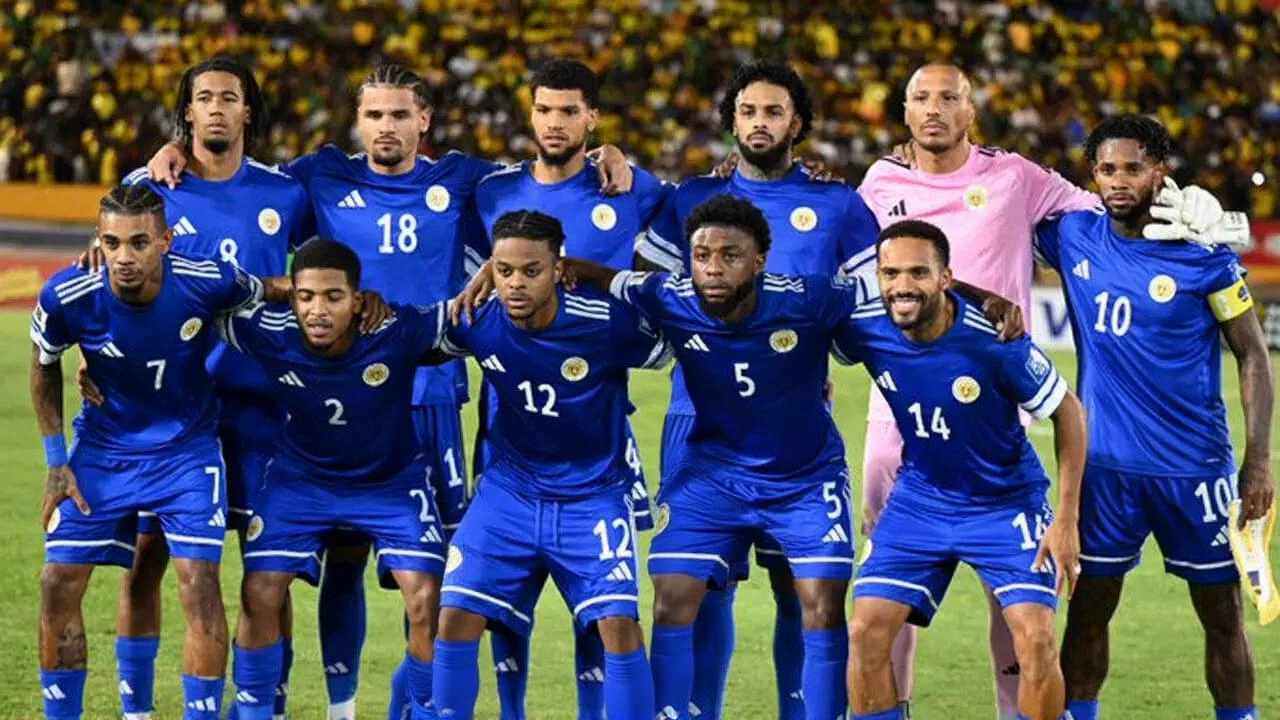
Curaçao Makes History as Smallest Nation Ever to Qualify for FIFA World Cup 2026
Curaçao, population 156,115, became the smallest nation ever to qualify for the 2026 FIFA World Cup after a 0-0 draw with Jamaica, thanks to defensive grit and Dutch-coached strategy under Dick Advocaat.